

The UK’s main zero-emission vehicle policy is built around cars and vans. The Zero Emission Vehicle Mandate sets manufacturer targets for new car and van registrations, while the Government’s 2026 review discusses compliance targets, trading arrangements and the phase-out of new petrol and diesel cars. Motorcycles, mopeds and other L-category vehicles are outside that mandate. GOV.UK
That leaves electric motorcycles in a difficult position. They are expected to contribute to cleaner transport, yet manufacturers do not face equivalent sales targets and buyers do not receive the same level of support available to electric-car customers. The Plug-in Motorcycle Grant ended in April 2026 without a replacement scheme. The MCIA says this makes motorcycles the only personal transport category without a comparable purchase incentive and has warned that the policy gap could reduce sales and investment. MCIA
The market data shows the effect of that uncertainty. MCIA figures for October 2026 recorded 262 electric L-category registrations, down 19.9% year on year. Electric registrations were down 12.4% for the year to date, even though total L-category registrations were up 14%. Electric motorcycles up to 11 kW rose 6.6% in October, but electric mopeds fell 64.1% and motorcycles up to 35 kW fell 54.5%. mcia.co.uk
The Government’s position is that motorcycles are at an earlier stage of electrification than cars. This is also reflected in the proposed electric vehicle excise duty framework, which excludes motorcycles when eVED is introduced in April 2028. That avoids imposing a new mileage charge on electric motorcyclists, but it does not create a positive reason for buyers or manufacturers to switch. GOV.UK
There is a practical argument for a separate motorcycle policy. Electric motorcycles use less energy and road space than cars, can reduce congestion, and are relevant to lower-cost commuting, delivery work and urban mobility. Their transition also faces different technical barriers. Battery weight, limited storage space, two-wheeler charging access, weather exposure, range expectations and the cost of relatively low-volume production cannot be addressed by copying car policy.
A more suitable framework could combine a revised purchase grant, a higher price threshold that reflects current electric motorcycle prices, incentives for workplace and home charging, support for fleet and delivery operators, and clearer type-approval and battery information. Any future support would need safeguards around battery durability, repairability, warranty cover and end-of-life recycling.
The central question for the article is whether excluding motorcycles is a deliberate technology choice or simply a consequence of a car-focused policy system. The Government’s own documents acknowledge that motorcycles are progressing more slowly, yet the current framework provides limited support to help that progress happen. GOV.UK
The key limitation is that the ZEV Mandate review is still a car-and-van policy process. It does not promise that motorcycles will be added, so any claim that the Government is about to extend the mandate to motorcycles would be speculative.
Win with BOTB.com
Win a Honda WN7 + £10,000
Out Now on Kindle

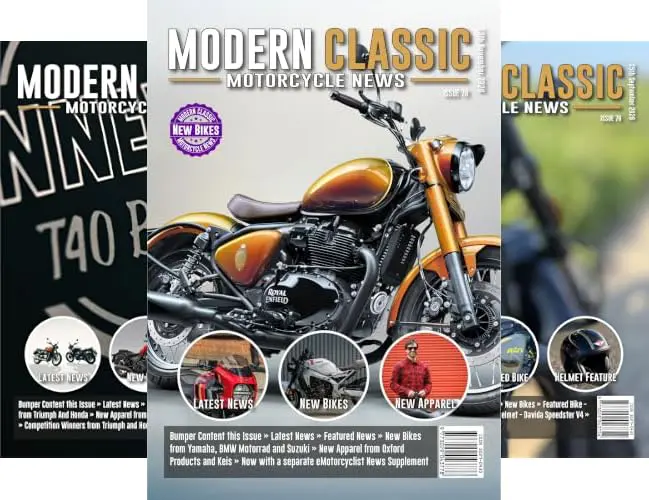
Modern Classic Motorcycle News - Kindle Edition
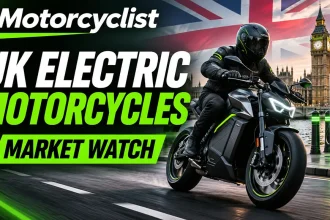
Watch, like and subscribe to our Youtube channel
For more electric motorcycle news check out our dedicated page Electric Motorcycle News