





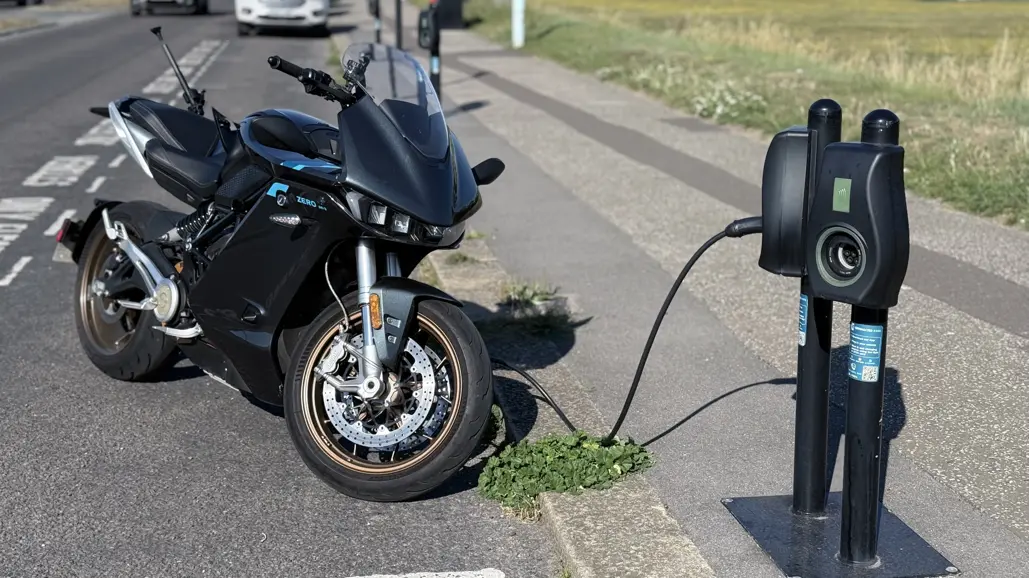
With electric cars becoming increasingly familiar on British roads, electric motorcycles remain a niche proposition. Despite advances in battery technology, charging infrastructure and an expanding choice of machines, many motorcyclists are reluctant to abandon petrol power.
eMotorcyclist examines the financial, practical and emotional barriers holding back Britain’s electric motorcycle revolution.
A revolution that has yet to arrive
Electric motorcycles have promised to transform motorcycling for more than a decade. Instant torque, minimal routine maintenance, quiet operation and the possibility of dramatically lower running costs all sound attractive. Yet, while electric cars have established a significant presence on British roads, their two-wheeled counterparts continue to struggle for mainstream acceptance.
The latest figures from the Department for Transport illustrate the scale of the challenge.
At the end of June 2026, there were approximately 1.49 million licensed motorcycles in the UK, of which just 13,598 were classified as zero-emission. That represents only 0.9% of the licensed motorcycle population.
The contrast with the car market is striking. During the second quarter of 2026, battery-electric and other zero-emission cars accounted for 27.3% of new car registrations. Zero-emission motorcycles represented just 2.5% of new motorcycle registrations over the same period, down from 3.0% a year earlier. gov.uk
These figures suggest that the challenge is not simply persuading existing motorcyclists to replace their machines. It is also attracting new riders to electric motorcycling in the first place.
More recent industry reporting reinforces that concern. Figures attributed to the Motorcycle Industry Association (MCIA) show that electric registrations across the relevant powered two-wheeler categories fell by 11.4% during the first nine months of 2026 compared with the same period in 2025. Universal Motorcycle Training®
More EV News

Meanwhile, the wider motorcycle industry has enjoyed renewed momentum. MCIA’s October 2026 report recorded a 10.3% increase in overall L-category registrations compared with October 2025, including 14.4% growth in the motorcycle segment.
British consumers, it seems, have not lost their appetite for motorcycling. They simply remain unconvinced that electric power represents the right choice for them. MCIA

Purchase price remains a major obstacle
Perhaps the most immediate barrier is affordability.
Although electric motorcycles offer potential savings in energy consumption and routine servicing, their initial purchase prices can be considerably higher than those of comparable petrol-powered machines.
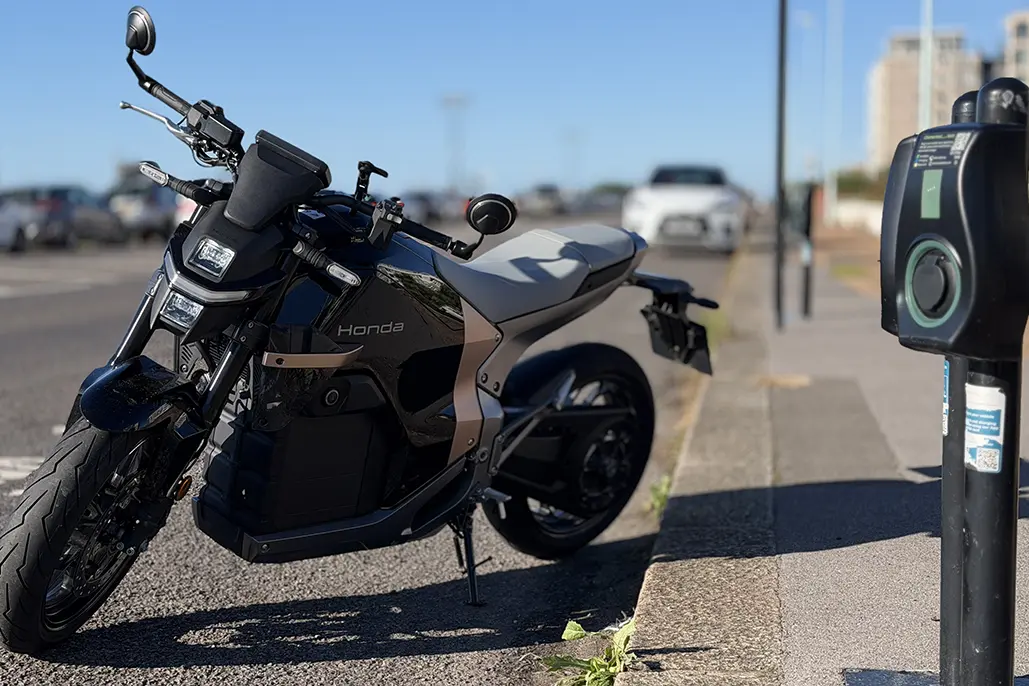
Take the Honda WN7. Honda’s first full-sized electric motorcycle represents an important step towards mainstream electric motorcycling, backed by one of the world’s most established manufacturers.
However, its official UK price of £12,999 places it in competition with an extensive selection of well-equipped conventional motorcycles.
For that money, British buyers can consider petrol-powered machines offering longer touring range, rapid refuelling and access to established servicing and dealer networks.
Honda’s WN7 undoubtedly brings technological sophistication, but the purchase price remains a significant consideration.
The financial argument becomes more complicated when depreciation enters the equation.
Electric motorcycle technology is developing rapidly, raising understandable questions about the future value of today’s machines. Battery condition, replacement costs, manufacturer support and long-term parts availability are all factors potential buyers must consider.
For riders who traditionally purchase motorcycles on finance and replace them every few years, uncertainty over residual values can be particularly discouraging.
Lower electricity costs alone may not be sufficient to overcome these concerns.
Range anxiety is different on two wheels
Range anxiety is frequently discussed in relation to electric cars, but the issue takes on additional significance for motorcyclists.
A motorcycle has limited space for batteries, and adding more capacity introduces extra weight that can affect handling, performance and affordability.
Modern electric motorcycles can offer perfectly usable ranges for commuting and shorter leisure journeys. However, longer rides, motorway journeys and spontaneous weekend trips can expose their limitations.
Honda quotes a certified range of 140 kilometres, approximately 87 miles, for the full-power WN7 under the relevant WMTC test cycle.
Real-world range will depend on riding speed, weather conditions, terrain and other variables.
For a rider commuting 15 or 20 miles each way, such a figure may be entirely adequate.
For someone planning a 200-mile Sunday ride through the Yorkshire Dales, Scottish Highlands or Welsh countryside, the calculation becomes more complicated.
Motorcycling is not always about travelling between two predetermined destinations. The freedom to change direction, explore unfamiliar roads and continue riding without a fixed itinerary is part of its appeal.
An electric motorcycle that requires more deliberate planning can therefore feel restrictive, even when its performance and handling are impressive.

Charging infrastructure has a motorcycle problem
Britain’s public charging network continues to develop, but most charging facilities have been designed primarily around cars.
For motorcyclists, this creates practical complications that are not always reflected in national charging statistics.
Charging bays may be awkwardly positioned, cables can be heavy, and some locations provide limited shelter from poor weather.
Payment arrangements, parking restrictions and the availability of suitable connectors can introduce further uncertainty.
There is also considerable variation between electric motorcycles.
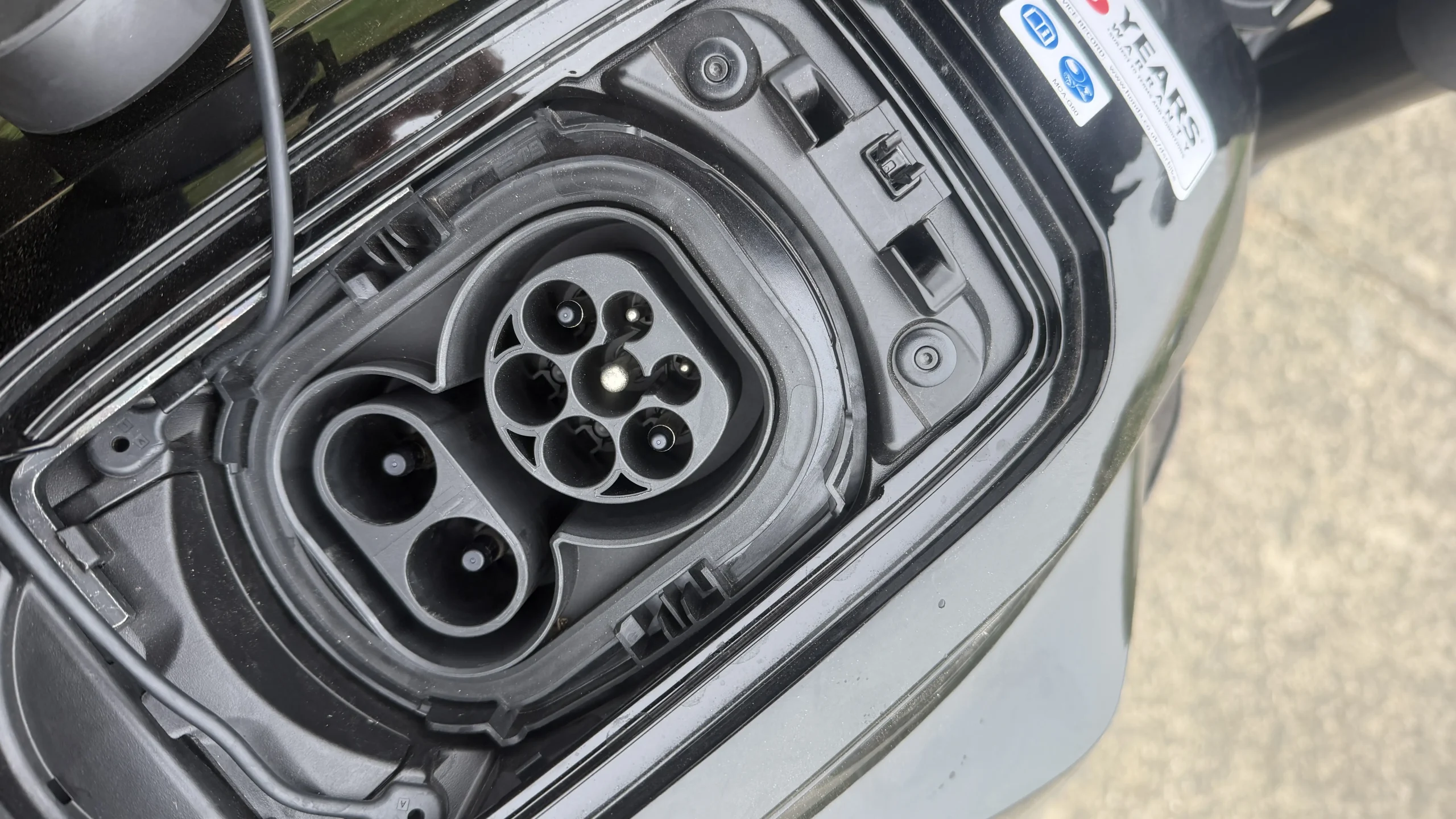
Some models use conventional domestic sockets, others support Type 2 charging, while an increasing number of higher-performance machines are adopting rapid-charging technologies.
The Honda WN7, for example, supports both Type 2 and CCS2 connections, with Honda claiming a 20–80% rapid charge in approximately 30 minutes. Honda WN7: CCS2 Rapid Charging Makes Electric Motorcycling More Practical Than Ever
With Zero Motorcycles will adopt CCS2 connections as well as type 2 from 2027 and also offer retrofitting for older models. Fast Just Got Faster: Zero Motorcycles Announces DC Fast Charging Arriving in 2027
That represents meaningful progress, although a 30-minute charging stop remains considerably longer than filling a petrol tank.
In evidence submitted to Parliament, the MCIA highlighted the need for dedicated motorcycle charging facilities and suggested allocating infrastructure funding towards motorcycle-specific provision.
Its recommendations included designated areas within existing charging sites and better accommodation of the requirements of smaller powered vehicles. committees.parliament.uk
Until charging infrastructure considers motorcycles as a distinct transport category, electric riders may continue to encounter unnecessary difficulties.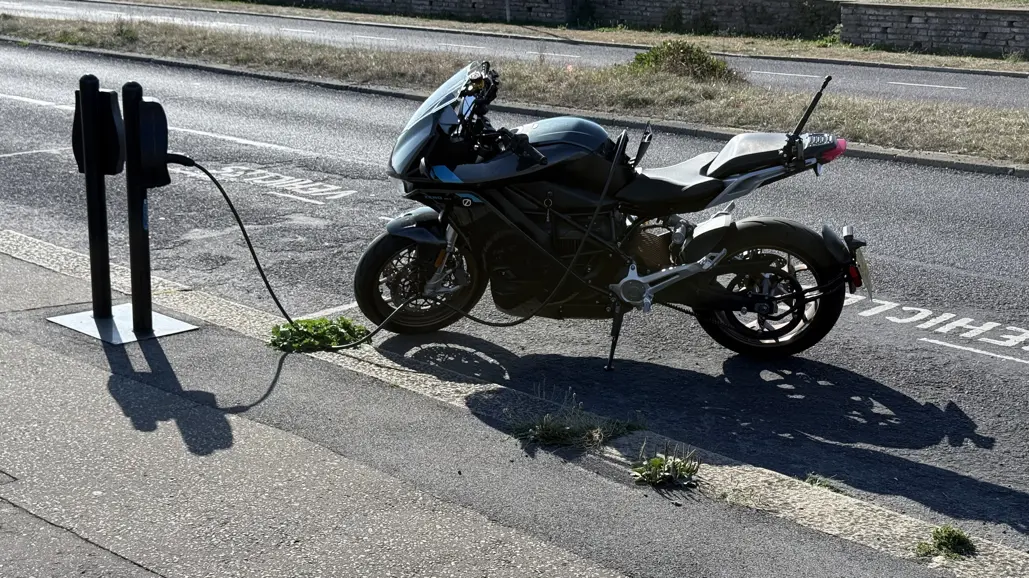
Government policy and disappearing incentives
Government policy has also played a role in shaping the market.
The Plug-in Motorcycle Grant previously provided eligible buyers with financial assistance towards purchasing an electric motorcycle, subject to qualifying conditions.
However, the government announced in February 2025 that the scheme would close at the end of the 2025/26 financial year.
In a parliamentary response dated 23 April 2026, the Department for Transport stated that ending the £500 grant was not expected to significantly affect electric motorcycle uptake. It also committed to monitoring the market and considering whether further intervention might be necessary. UK Parliament
The MCIA has taken a different view of the wider policy environment.
In written parliamentary evidence, the association argued that existing incentives were insufficient and highlighted the exclusion of motorcycles priced above £10,000 from the former grant.
It also reported a 43.9% decline in electric L1 and L3 vehicle sales between 2022 and 2024, compared with a 3.1% increase in equivalent internal-combustion sales. committees.parliament.uk
Whether financial incentives alone could transform demand remains uncertain. Nevertheless, their withdrawal removes one mechanism for reducing the initial cost of electric motorcycle ownership.

Motorcycling is about more than transport
Perhaps the most difficult obstacle for manufacturers is not technological or financial. It is emotional.
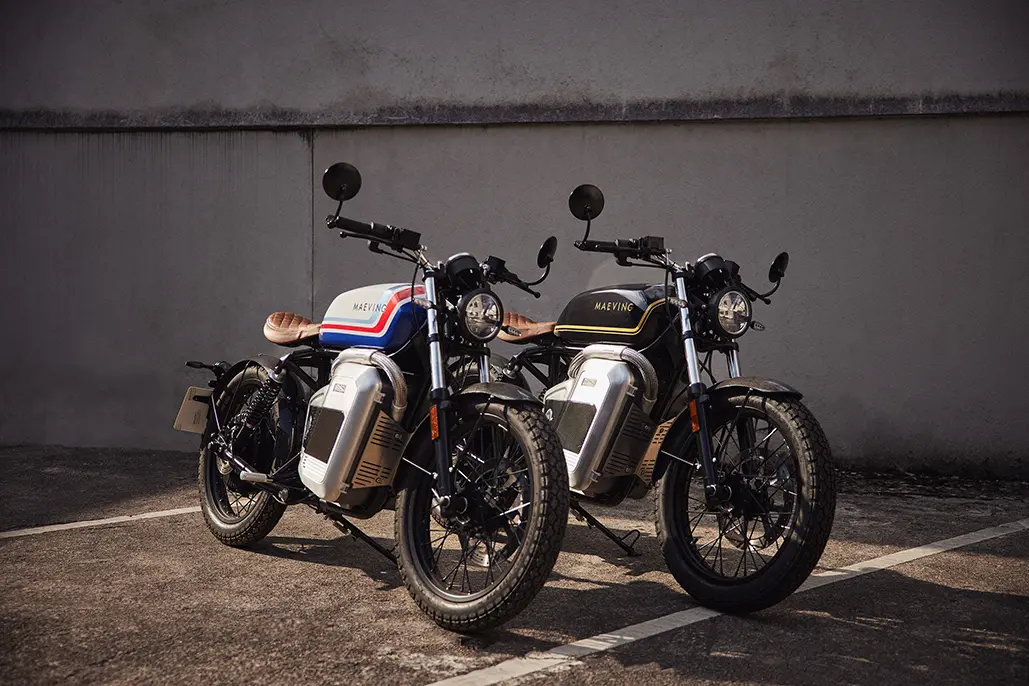
For many British riders, motorcycles represent considerably more than a convenient method of getting from one place to another.
The sound of an engine, the character of its power delivery, mechanical engagement and the connection between rider and machine all contribute to the motorcycling experience.
An electric motorcycle delivers that experience differently.
Instant acceleration, smooth power delivery and the absence of conventional gear changes can make electric machines remarkably enjoyable. Their quieter operation can also reveal sensations that are less noticeable on petrol-powered motorcycles.
But these characteristics will not appeal equally to every rider.
A June 2026 report by Warranty Solutions Group, suggested that 81% of surveyed riders would not currently consider switching from petrol to electric, while 17% expressed willingness to make the change. emotorcyclist.co.uk
The findings indicate substantial resistance, although survey responses should not be confused with actual purchasing behaviour or treated as a definitive measure of every British motorcyclist’s preferences.
Manufacturers therefore face a challenge that goes beyond producing motorcycles with impressive technical specifications.
They must demonstrate that electric motorcycles offer a compelling riding experience in their own right, rather than simply presenting them as environmentally preferable alternatives to petrol machines.
The overlooked ownership questions
Long-term ownership remains another source of uncertainty.
Petrol motorcycles benefit from an extensive network of independent mechanics, readily available replacement components and decades of accumulated mechanical knowledge.
Electric motorcycles generally require less routine maintenance of their powertrains, but they also introduce different considerations.
Battery health, high-voltage components, software updates, specialist diagnostic equipment and long-term manufacturer support can influence ownership costs.
Potential buyers may reasonably wonder how much a replacement battery could cost, whether a motorcycle will remain serviceable after ten years and how easily specialist repairs can be arranged.
These questions become particularly relevant in the second-hand market.
A comprehensive January 2026 report published by the RAC Foundation, Wired for the Road: Living with an Electric Motorcycle, examined the realities of electric motorcycle ownership and the comparatively limited adoption of electric two-wheelers in Britain.
The report provides useful context for understanding why practical ownership experiences matter alongside official specifications. racfoundation.org
Greater transparency about battery warranties, repairability and long-term servicing could help manufacturers build confidence among cautious buyers.
Where electric motorcycles already make sense
Despite these obstacles, electric motorcycles have genuine advantages in particular circumstances.
For urban commuters with reliable home charging, predictable daily journeys and access to secure parking, electric power can be a practical proposition.
The absence of a conventional clutch and gearbox on many models makes stop-start riding straightforward, while instant torque provides responsive acceleration in urban traffic.
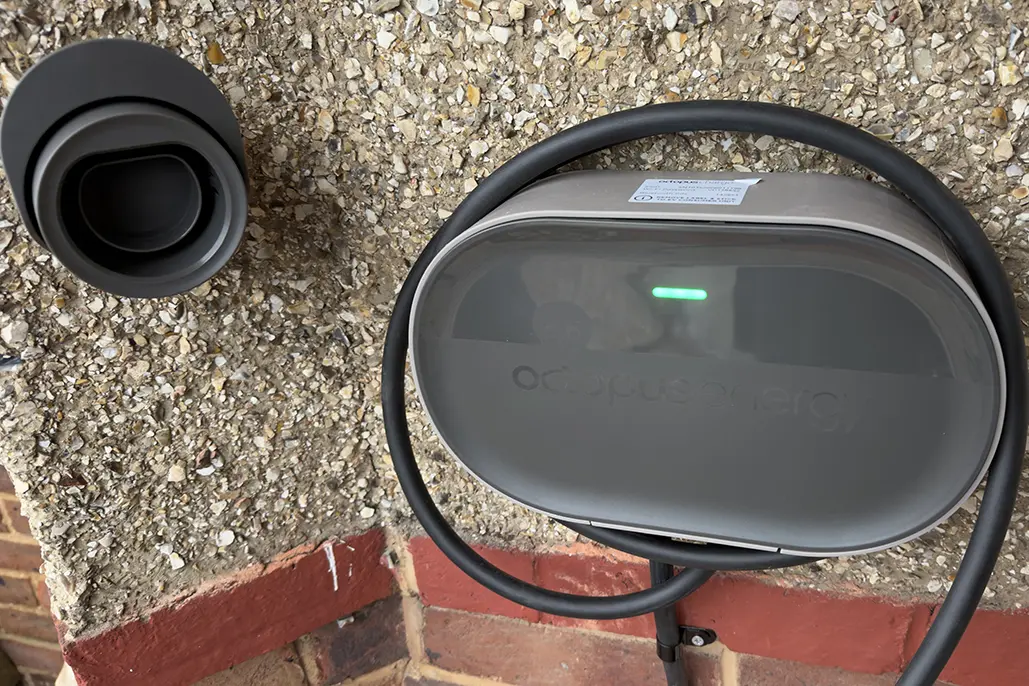
Home charging can also reduce dependence on petrol stations and make daily ownership convenient.
Electric motorcycles may be particularly attractive to riders who value straightforward commuting, quiet operation and reduced routine maintenance.
For these customers, the technology is not necessarily waiting for some distant breakthrough. It may already be capable of meeting their requirements.
The challenge is ensuring that the benefits outweigh the initial purchase price and that suitable motorcycles are available through accessible dealer networks.
What needs to change?
There is unlikely to be one solution capable of transforming Britain’s electric motorcycle market overnight.
More affordable models would help, particularly those aimed at everyday commuting rather than premium performance.
Improved battery technology could increase range without excessive weight, while faster and more widely available charging would make longer journeys easier.
Clearer information about battery longevity, insurance, servicing and residual values could also address understandable consumer concerns.
Manufacturers must invest in opportunities for riders to experience electric motorcycles rather than relying solely on marketing claims.
Above all, the industry needs to recognise that different riders have different expectations.
An electric motorcycle designed for a 20-mile urban commute does not need to fulfil the same requirements as a machine intended for extended European touring.
Success may depend on developing motorcycles that excel within clearly defined roles instead of attempting to replicate every characteristic of petrol-powered machines.
The road ahead
Electric motorcycles are not necessarily failing because British riders dislike innovation.
The evidence suggests a more complicated picture involving purchase prices, infrastructure, range, established riding habits and uncertainty surrounding long-term ownership.
The arrival of machines such as the Honda WN7 demonstrates that major manufacturers are continuing to invest in electric motorcycle development.
Yet the industry’s challenge is not simply to build better electric motorcycles. It is to make them affordable, practical, desirable and sufficiently reassuring for riders to consider changing established habits.
Britain’s motorcyclists have repeatedly demonstrated their willingness to embrace new technologies when those technologies improve the riding experience.
Electric motorcycles must now prove that they can do the same.
The electric motorcycle revolution may still arrive in Britain. But before it can become mainstream, manufacturers need to convince riders that switching to electric represents an opportunity rather than a compromise.
Originally posted on our dedicated sister site eMotorcycle News website: https://emotorcyclist.co.uk/
Out Now on Kindle


Watch, like and subscribe to our Youtube channel
For more electric motorcycle news check out our dedicated page Electric Motorcycle News
Sources and further reading
The following UK government, industry and research sources support the article:
- Department for Transport – Vehicle Licensing Statistics, June 2026 — registration figures and zero-emission market share.
- MCIA – October 2026 Motorcycle Registration Report — latest wider UK motorcycle market performance.
- RAC Foundation – Wired for the Road, January 2026 — electric motorcycle ownership and adoption.
- MCIA – Written Evidence to Parliament — charging infrastructure, market barriers and incentives.
- UK Parliament – Plug-in Motorcycle Grant Closure — government policy and official response.
- Honda UK – WN7 Official Specifications — UK price, range and charging specifications.
- Eight in Ten Riders Would Not Switch to an Electric Motorcycle, New Survey Reveals.