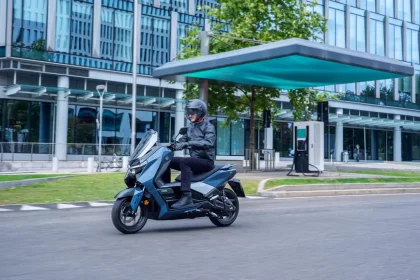
The transition to electric vehicles is changing how we think about refuelling. For electric car owners, installing a dedicated home charging point is becoming an increasingly familiar part of the ownership experience.
But what about electric motorcycles? Can the same charger used for a family electric car also provide a practical charging solution for an electric motorcycle?
At eMotorcyclist, we’re preparing to find out as we arrange the installation of an Octopus Energy-branded home EV charger. Although the installation is primarily intended for electric car charging, it also presents an opportunity to explore the advantages of home charging for electric motorcycles equipped with a compatible Type 2 charging connection.
Over the coming weeks, we’ll be following the process, from preparing for installation through to getting the charger operational, and examining what this means for riders considering the move to electric motorcycles.
Crucially, this is the beginning of our home charging experience, not a completed installation review. We’ll be reporting on the actual installation and subsequent charging experience once the equipment is fitted and operational.
Why Home Charging Matters for Electric Motorcyclists
More EV News
For many potential electric motorcycle buyers, charging remains one of the biggest considerations. While modern electric motorcycles are becoming increasingly capable, questions surrounding charging infrastructure, compatibility and convenience can still influence purchasing decisions.
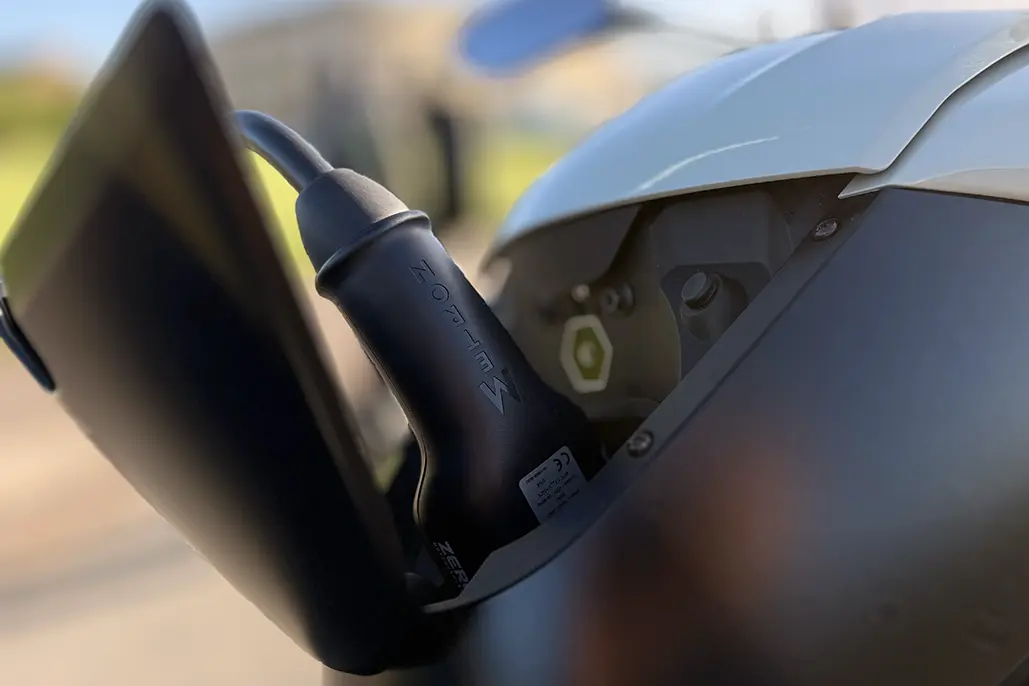
Public charging networks have expanded considerably, but not every electric motorcycle can use every public charging station. Some motorcycles rely on domestic three-pin charging, while others feature Type 2 AC charging connections or support faster DC* charging systems. (*See our Honda’s WN7 post | as well as Zero Motorcycles CCS transition)

Modern Classic Motorcycle News - Kindle Edition
This is where a dedicated home EV charger can become particularly useful.
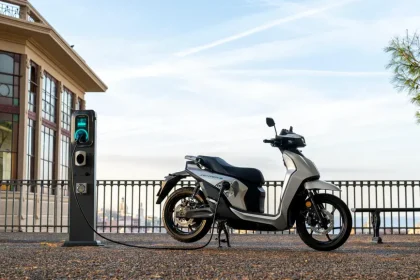
For motorcycles equipped with a Type 2 charging socket, a compatible home charger can offer the convenience of plugging in after a ride and allowing the battery to recharge while the motorcycle is parked.
Rather than making a special journey to a public charging station, owners can potentially begin each day with a charged battery, subject to their motorcycle’s charging capabilities and daily mileage.
For households already using an electric car, the proposition becomes even more interesting. A single compatible home charging point may serve both vehicles, removing the need to install separate charging equipment.
And with electricity tariffs offering cheaper overnight charging periods, there may also be opportunities to reduce running costs.



Introducing Octopus Charge: Octopus Energy’s Own Home Charger
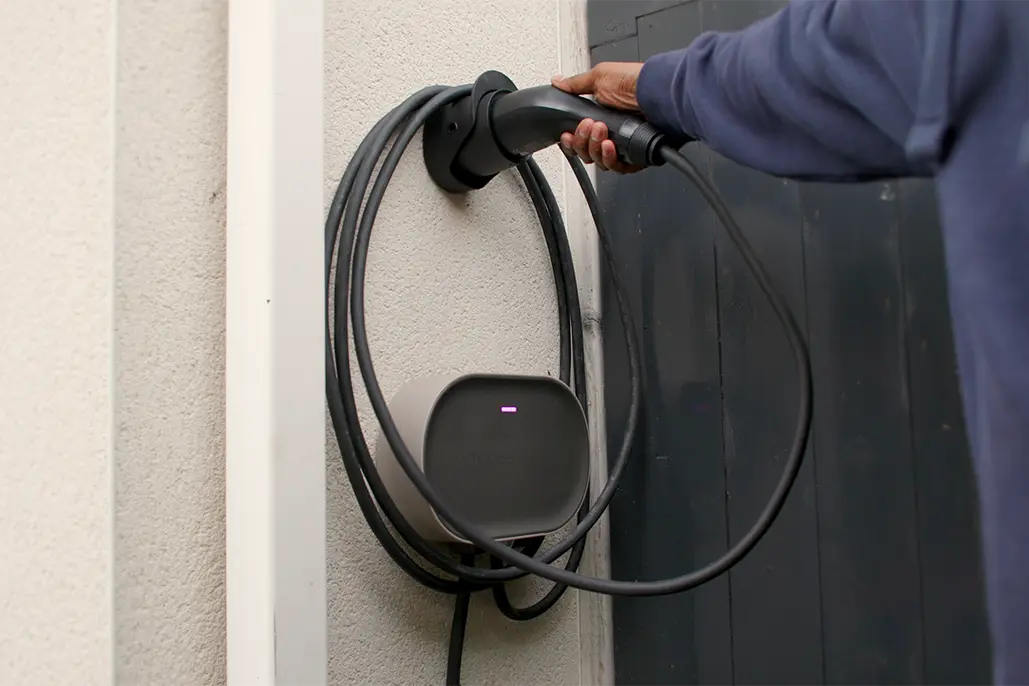
The charger we’re planning to have installed is Octopus Charge, a home charging system developed by Octopus Energy itself.
Launched in June 2025, Octopus Charge represents the company’s move into designing and supplying its own dedicated EV charging hardware, rather than relying exclusively on equipment manufactured by third parties.
The charger has been designed to work with Octopus Energy’s wider ecosystem of smart electricity tariffs and connected home energy technology.
According to Octopus Energy, its charger offers a maximum output of approximately 7.4 kW on a suitable single-phase domestic electricity supply. It also provides smart scheduling, app-based controls and compatibility with solar generation.
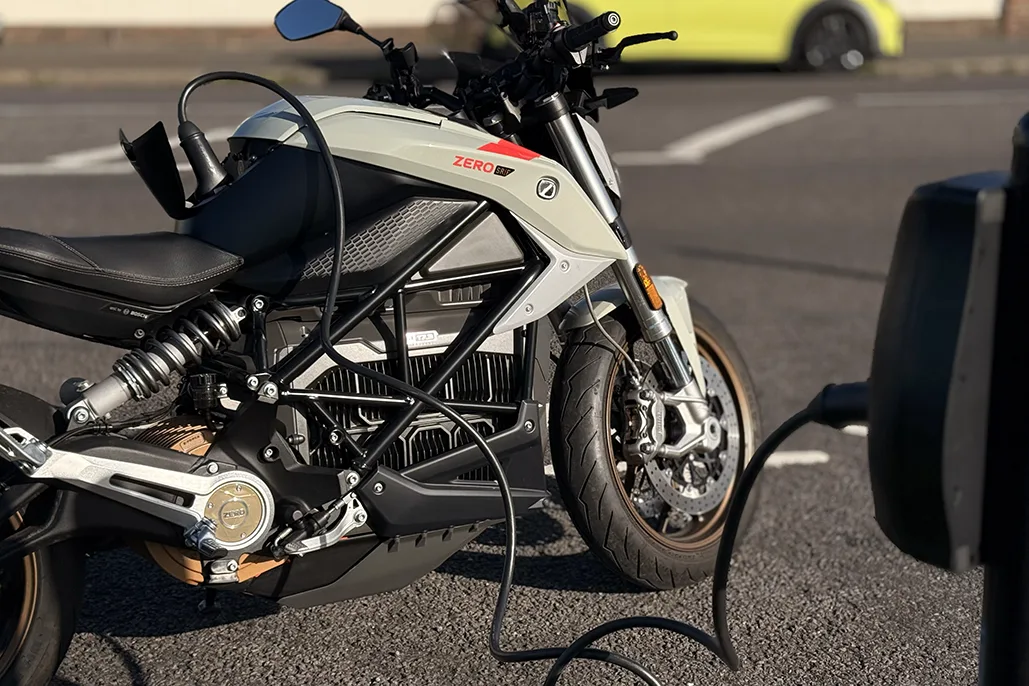
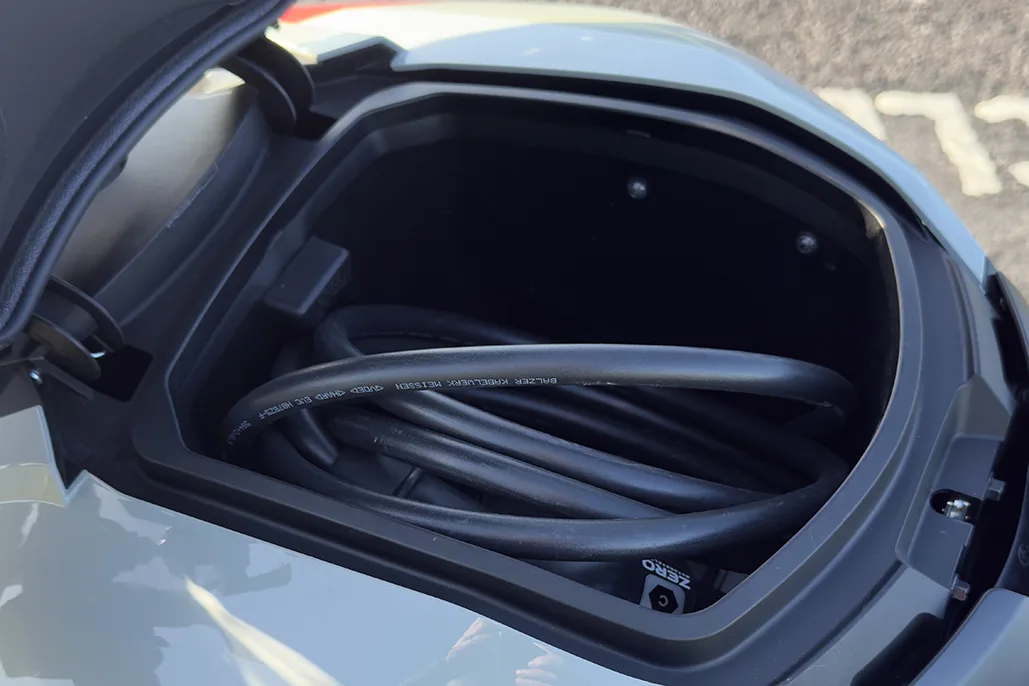
The charger is available in both tethered and untethered versions, providing different options depending on how owners prefer to connect their vehicles. We have opted for a tethered charger to save the hassle of getting the cable out of the car boot or, in the case of some motorcycles like the Zero SR/F, out of its trunk or with the Honda WN7, it was only supplied with a 3-pin charger (despite it being able to handle DC fast charging).
For electric motorcycle owners, this distinction is worth considering. A tethered charger has a permanently attached charging cable, while an untethered unit allows the owner to connect a suitable separate Type 2 charging cable.
Octopus also states that the charger is designed, installed and supported by its own teams, offering a single point of contact for the hardware, installation and ongoing support.
For our installation, we’ll be particularly interested in how straightforward the equipment is to operate, how the charging controls work and whether it provides the flexibility needed for a household using more than one type of electric vehicle.
Preparing for Installation: What Happens Before the Engineer Arrives?
Installing a dedicated home EV charger involves more than simply attaching a box to an outside wall.
Before installation, the property’s electrical supply, available capacity and proposed charger location need to be assessed. Depending on the circumstances, this may involve photographs, installation questionnaires or further electrical checks.
The location of the charging point is especially important.
Ideally, it should be positioned where the cable can comfortably reach the vehicle without creating a trip hazard or obstructing access. For a household with both a car and a motorcycle, this may require additional consideration.
A charger positioned conveniently for a car’s charging port might not necessarily be the best location for a motorcycle parked alongside it.
The electrical installation must also be capable of safely supporting the additional demand.
Octopus Energy explains that it notifies the relevant Distribution Network Operator (DNO) about charger installations. Some properties may require further work, such as a main fuse upgrade or alterations to a shared electrical supply.
Octopus advises allowing approximately four hours for a typical installation, although this can vary according to the property and the complexity of the work. More involved installations can also incur additional charges.
For our upcoming installation, we’ll be documenting the preparations, the position of the charger, any electrical work required and the overall experience of dealing with the installation team.
Other chargers are available, but we picked the Octopus Charge as we had already switched to Octopus Energy, so it was just easier. Octopus can also supply other branded chargers like the Ohme ePod, Ohme Home Pro, Hypervolt Home 3 Pro which are slightly more expensive.
The next part will come after the install, hopefully next week…
Looking to install a charger, install solar or are simply looking to switch here over to Octopus and use our link Octopus Energy if you sign up, we share £100 credit referral fee* so £50 for you and £50 for us. Credit is paid once the new user is on supply and their first month’s direct debit has been successfully taken.
Note: This article is not sponsored by or endorsed by Octopus Energy; they happen to be our energy supplier.